Ensjsi

Science and Environmental Journalism

Accueil - Formation - Science and Environmental Journalism

Specialization overview

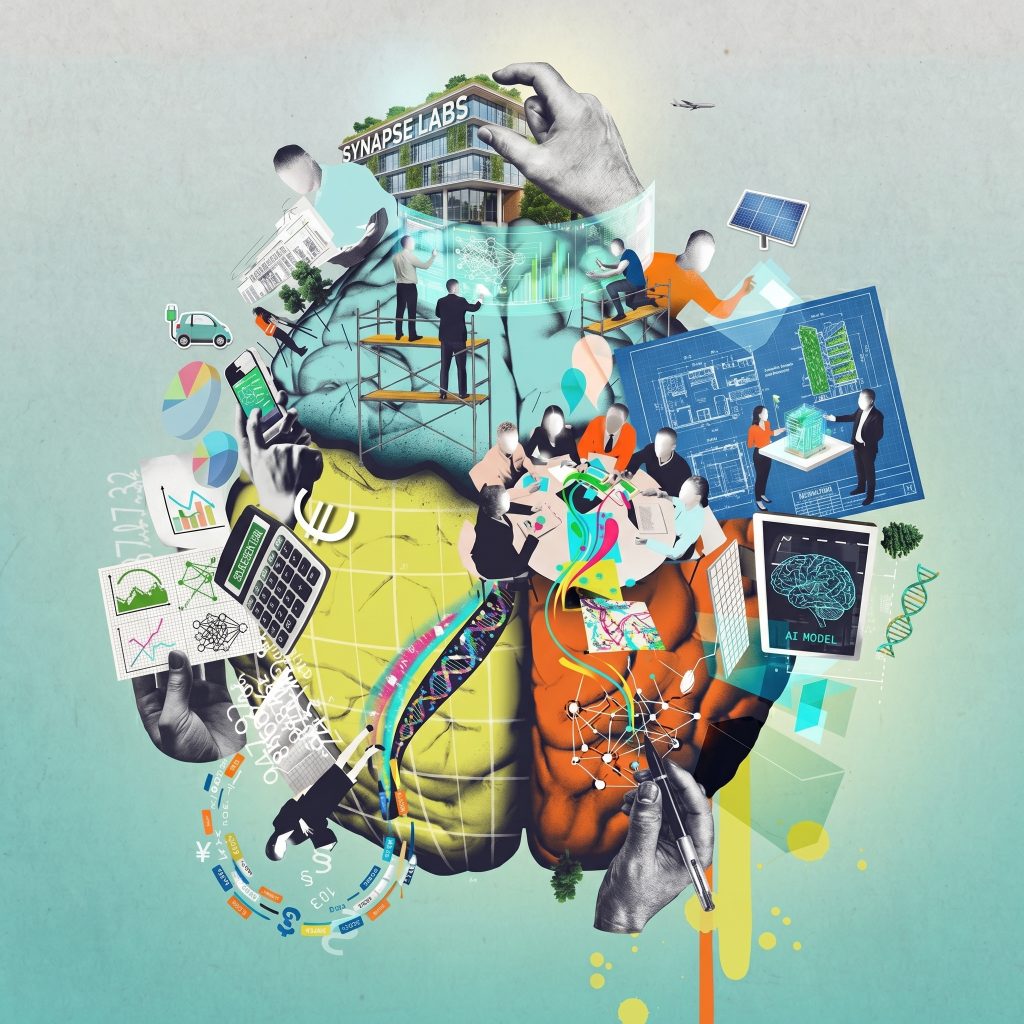
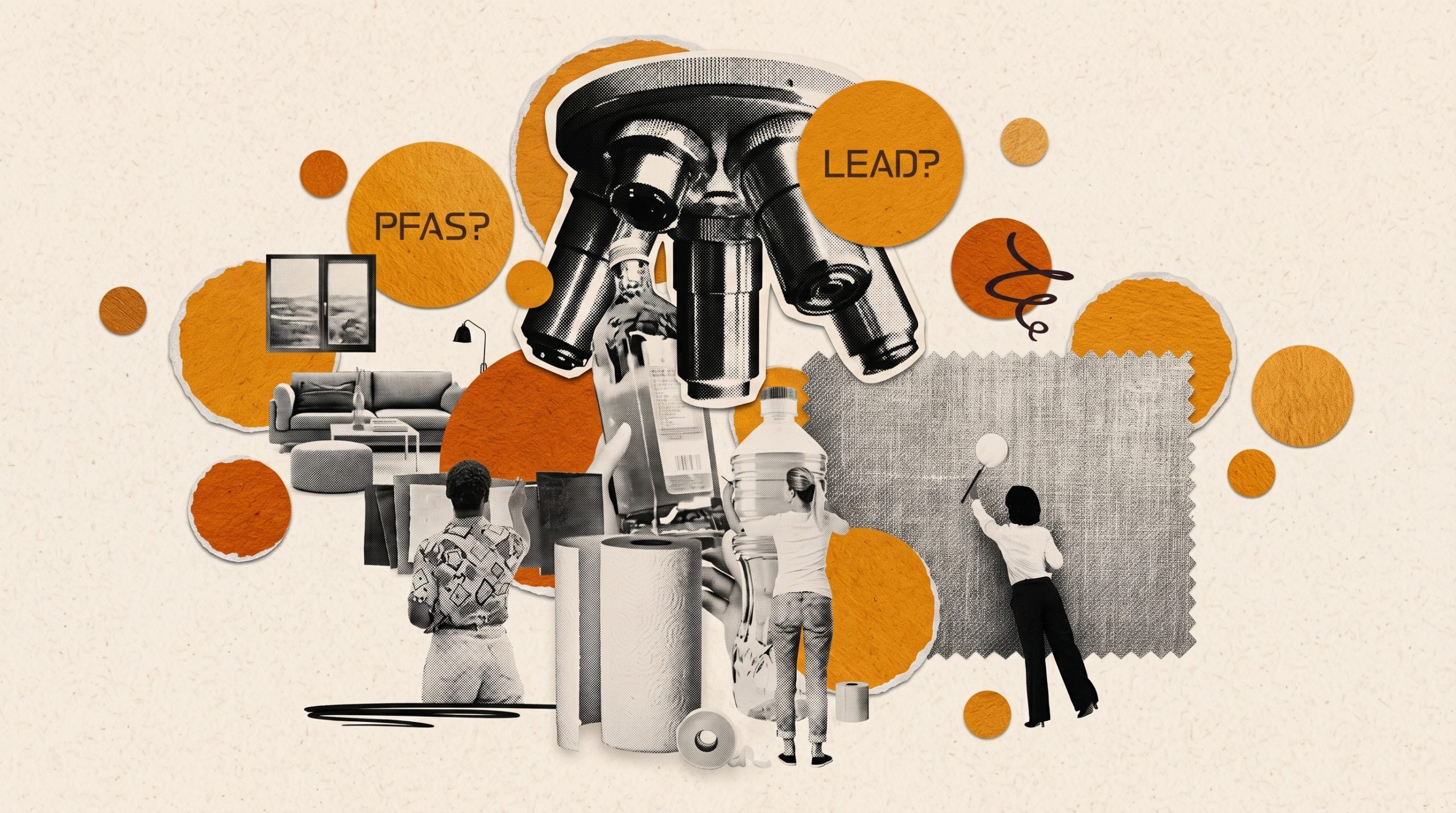
The specialization of science and environmental journalism is part of preparing specialized journalists who are capable of conveying scientific and environmental information to the public in a clear, accurate, and reliable manner, while maintaining journalistic rigor and high-quality critical analysis. These journalists work on collecting scientific information, verifying it, and processing it objectively, while interpreting developments and issues across various scientific fields, particularly urgent environmental issues such as climate change, natural resource management, and biodiversity. This specialization also focuses on the educational and awareness-raising dimension, as the specialized journalist seeks to enable the public to understand complex topics, raise awareness about the importance of environmental protection and the sustainability of resources, and highlight the role of science in supporting environmental policies. Thus, this field combines precise scientific knowledge, professional journalistic skills, and environmental awareness to develop journalists capable of supporting scientific and environmental dialogue between experts, scientists, and policymakers.
Core training components

Enabling students to understand how scientific and environmental institutions operate, as well as the mechanisms for publishing research studies and papers.


Developing intellectual knowledge and critical thinking skills.

Building the student’s ability to critically analyze scientific and media discourse, and to identify fallacies and misinformation.


Technical journalistic skills suited to various formats.

Mastering digital journalism, producing scientific content for the web, social media platforms, podcasts, and video.


Critical thinking about journalistic practices, especially ethics.

Studying the ethics of reporting scientific information, respecting source privacy, and avoiding sensationalism and misinformation.


Readiness to deal with current issues.

Addressing issues such as climate change, public health, technological innovations, and combating fake news in the scientific field.


Professional and academic prospects

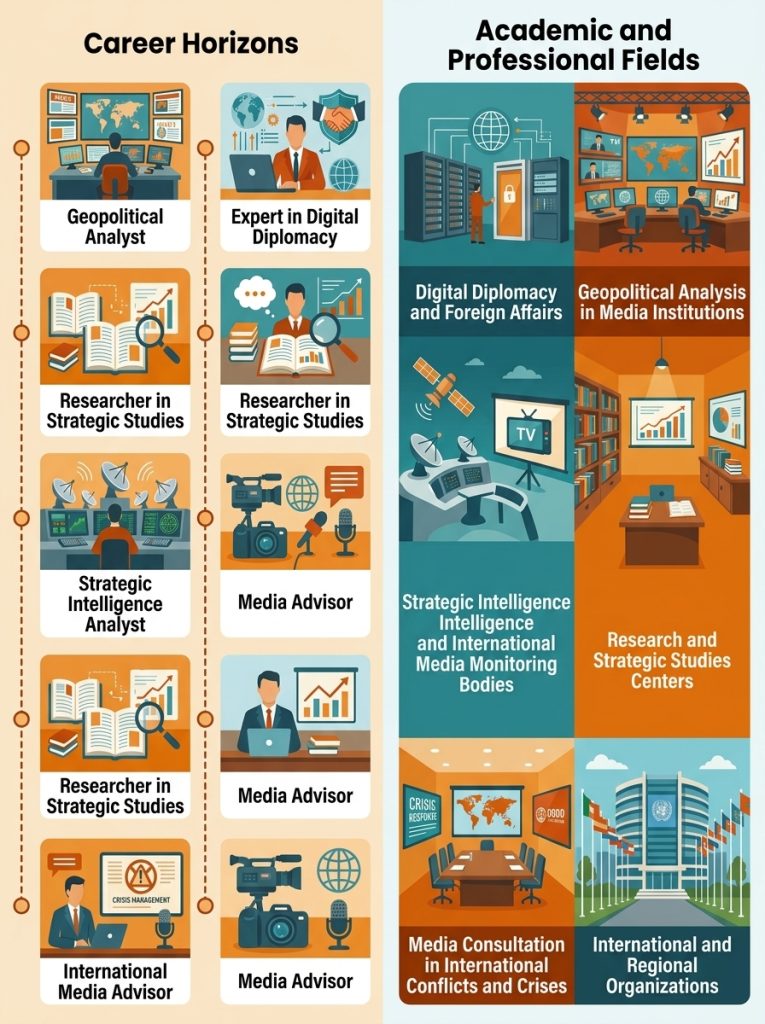
This specialization provides its graduates with job opportunities in:

  • Science and environmental journalism across media outlets (newspapers, magazines, television channels, radio stations, and websites)
  • Research centers and scientific institutions as scientific communication officers
  • Environmental institutions (Ministry of Environment, nature reserves, environmental associations)
  • Space agencies, as well as energy, medical, and public health sectors
  • Scientific content production for educational channels and digital platforms
  • Consulting in the field of scientific and environmental communication
  • Continuing academic research through a PhD program


training programs

Science and Environmental Journalism

Master
School
Department of Journalism

Institutional Communication

Master
School
Department of Information Sciences

Audiovisual and Digital Journalism

Master
School
Department of Journalism

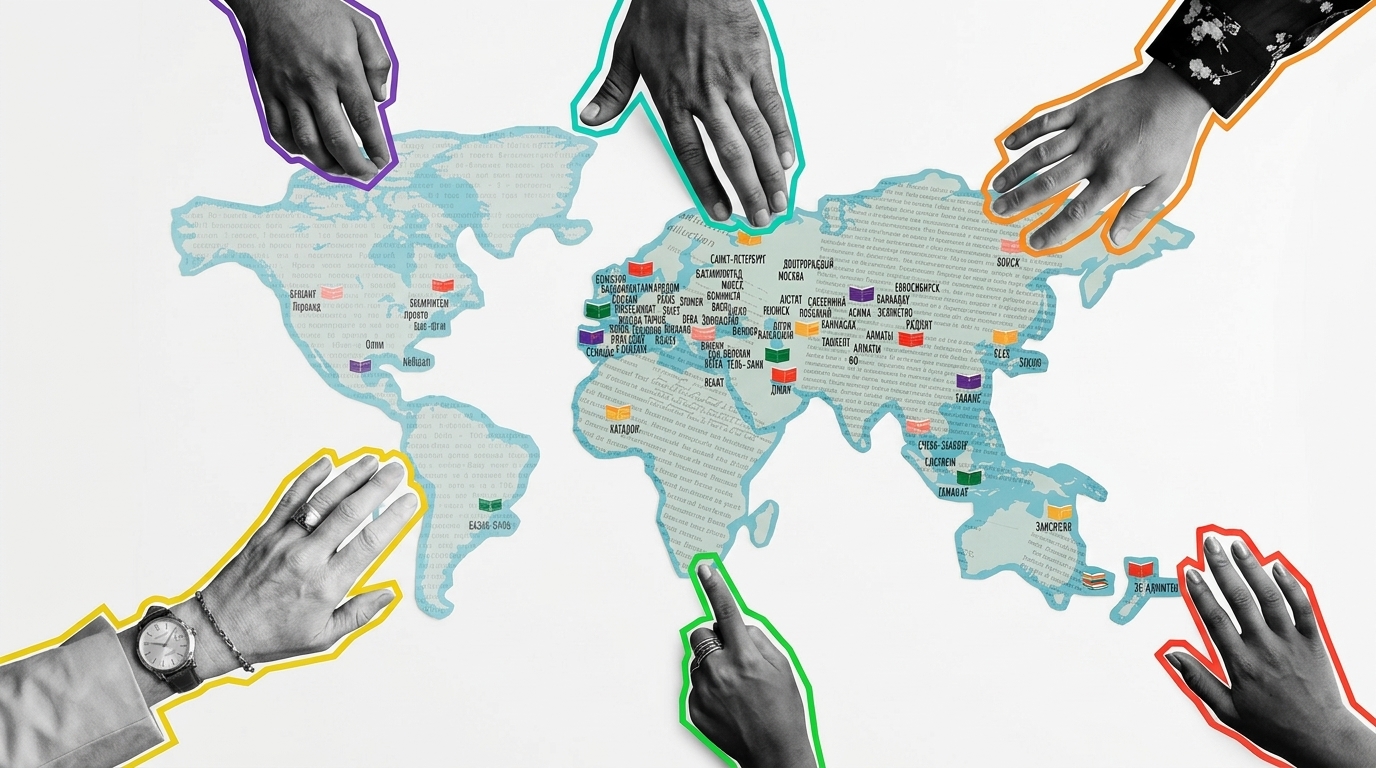
The Geopolitics of Mass Media

Master
School
Department of Information Sciences

Media, Society, and Culture

Master
School
Department of Information Sciences

Intensive Language Teaching Center

مستوى الخروج : Recognized Certificate of Language Profeciency
المدرسة
The Intensive Language Center

Continuing Education

شهادة
المدرسة
Continuing Education

Sports Journalism and Communication

Master
School
Department of Journalism

Admission procedures

Admission to the master’s program is subject to specific academic requirements, and selection is carried out through a competitive examination after reviewing the application file.

Admission is open through a national competitive examination conducted in the form of a written test. It is open to holders of a Bachelor’s degree in Media and Communication Sciences (all specializations). Candidates from other related fields may also be allowed to participate (such as natural sciences, environmental sciences, medicine, pharmacy, exact sciences, and engineering), according to conditions set by the examination committee.

Registration and enrollment are done through the university orientation platform or the official website of the National Higher School of Journalism and Information Sciences.

Training Curriculum

To view the study modules, pedagogical objectives, and the organization of studies, please download the full training program.