



The National Higher School of Journalism and Information Sciences (ENSJSI) “M’hamed Yazid” was established by Executive Decree No. 09-252 of 19 Sha’ban 1430, corresponding to August 10, 2009, establishing the school. It is a national public institution of higher education dedicated to scientific research as well as specialized and forward-looking training in the fields of journalism, communication, and information sciences.
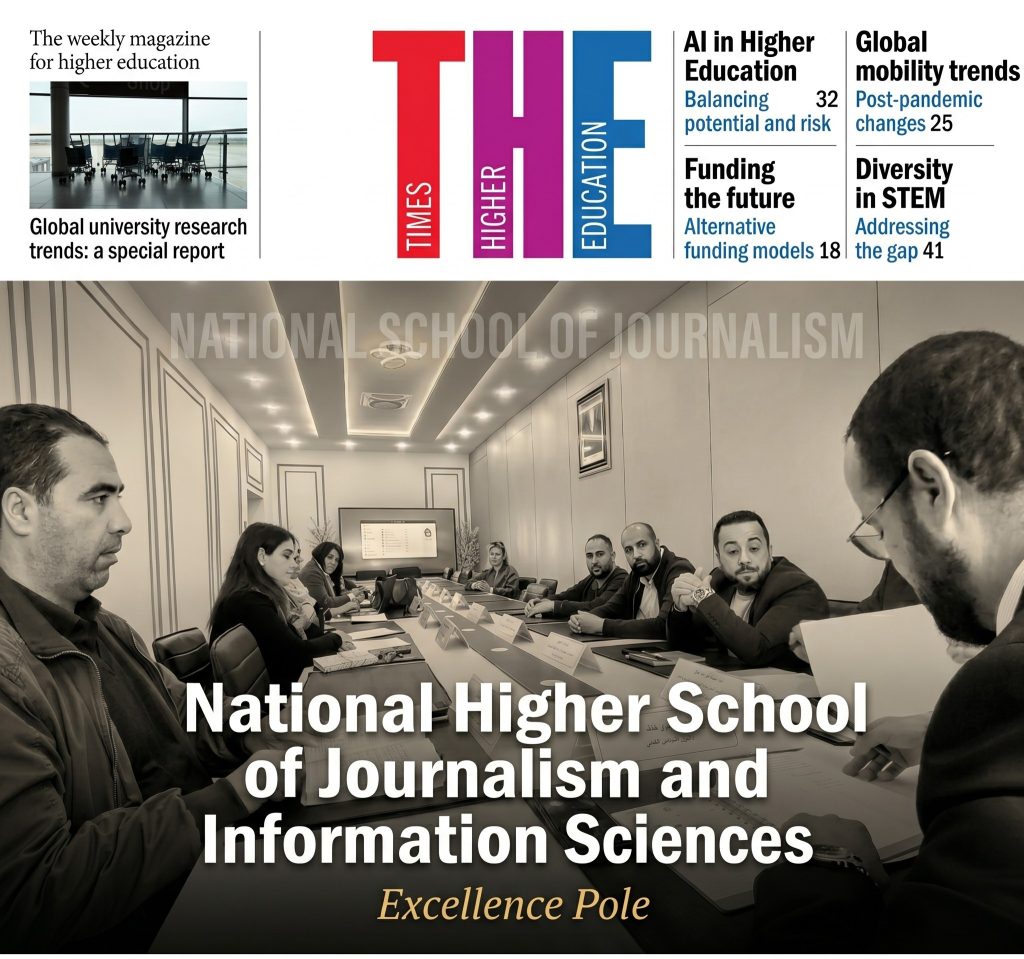
Despite its recent creation, the school has managed to establish itself as a reference institution in training for media and communication professions in Algeria. Notably, it is the only national institution ranked in the Times Higher Education Subject Rankings 2024 in the category of journalism, communication, and information sciences.
In line with the national strategy aiming to support digital transformations and technological advancements across various sectors, the school continuously works to update its academic programs at the Master’s and Doctoral levels. This approach aims to train journalists and media professionals capable of meeting contemporary challenges through specialized tracks in economic journalism, audiovisual journalism, media geopolitics, institutional communication, as well as scientific and environmental journalism.
Through these programs, ENSJSI contributes to meeting the growing demand for specialized skills in Algeria’s media, economic, and healthcare sectors.
Send over your next sentence or text whenever you are ready!
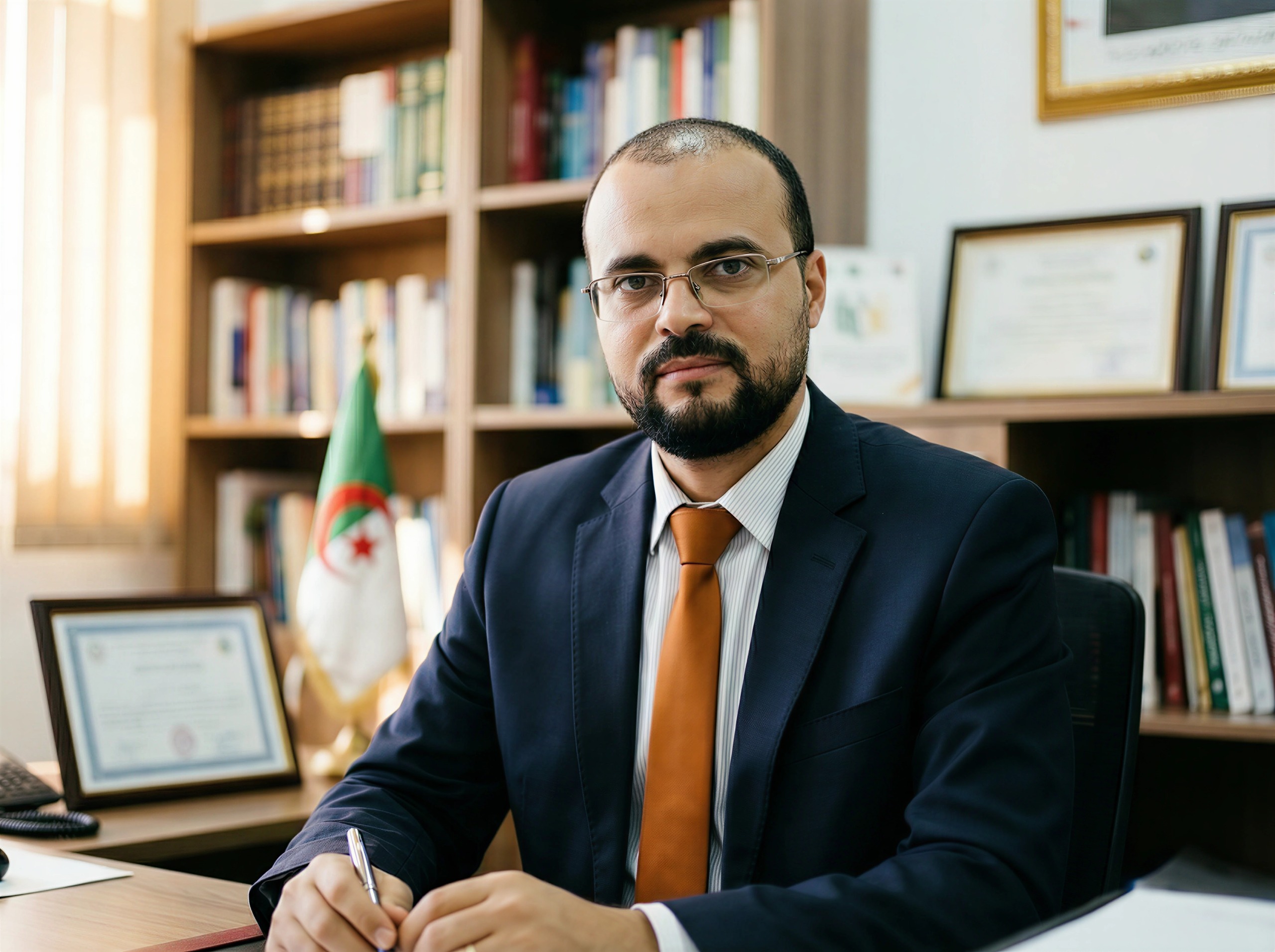
Welcome to the official website of the "M'hamed Yazid" National Higher School of Journalism and Information Sciences, an academic institution dedicated to training a new generation of journalists, researchers, and media professionals equipped to navigate the profound transformations shaping the national and international media landscape. In this context, the school is committed to continuously revising and updating its training programs, adopting modern pedagogical approaches, and developing research projects designed to bridge the gap between academic education and professional media practice, all while addressing the demands of the digital environment in the fields of communication and information. This approach reflects a constant commitment to serving society and the national economy, as well as advancing and elevating Algeria's media sector.
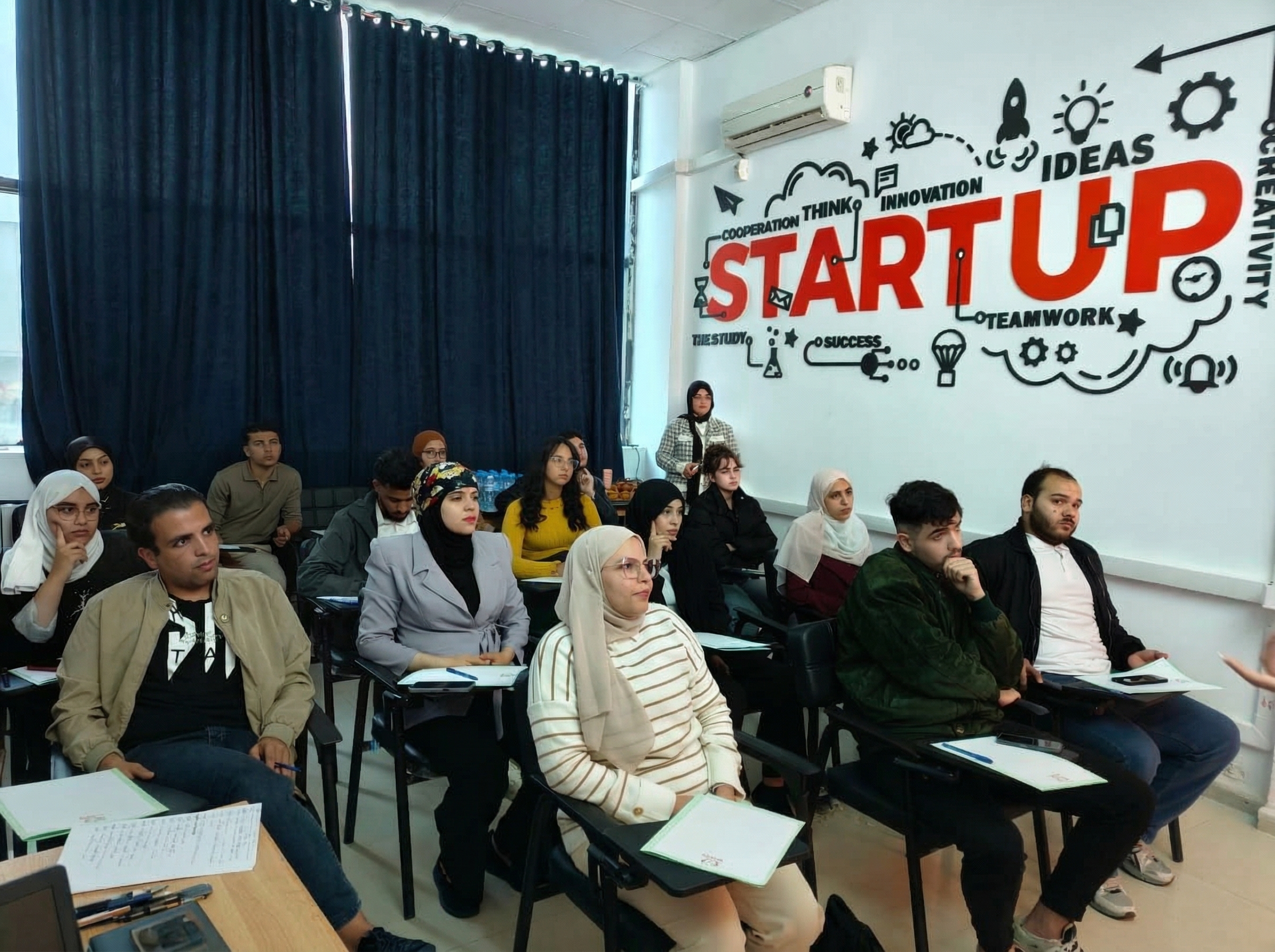
Our vision is based on combining academic rigor, engagement with the professional world, and support for entrepreneurship. It also aims to strengthen the school’s position as a center of excellence in journalism, information sciences, and communication by encouraging creativity, promoting scientific research, fostering language proficiency, and actively participating in the technological transformation of the communication and media professions.
The school also places the development of partnerships and cooperative bridges at the heart of its priorities—collaborating with media institutions, national and international universities, national economic groups, and international research and training centers. This approach fosters the exchange of expertise and knowledge while offering our students and researchers expanded opportunities for training, mentorship, and exposure to professional best practices.
“At the National Higher School of Journalism and Information Sciences, we are deeply convinced that building a professional, free, and responsible media landscape begins with a solid academic foundation and a university environment that fosters critical thinking, ethical commitment, initiative, and entrepreneurship.
Welcome to your school—a space dedicated to knowledge, research, and innovation.”
M’hamed Yazid is one of the most prominent figures in the history of media and activism in Algeria. He played a major role during the National Liberation War within the National Liberation Front (FLN), particularly in the fields of information and diplomacy. Through his journalistic and political commitment, he helped bring the voice of the Algerian Revolution to the international stage and advocate for its cause before global public opinion.
In this spirit, the National Higher School of Journalism and Information Sciences bears his name today in tribute to his legacy and his pioneering role in building a dedicated and responsible national press. This symbolic choice reflects the values that the institution strives to impart to its students: professionalism, credibility, commitment to national causes, and a vision of media as a vector for influence, knowledge, and social transformation.
Audiovisual Studio
A modern production space designed to professional studio standards, equipped with five cameras (two mobile and three fixed), a control room, a complete sound and lighting system, and state-of-the-art audiovisual editing equipment.
Radio Studio
Officially inaugurated in November 2022 in partnership with Algerian Radio during a conference dedicated to the history of Algerian national broadcasting.
The Local Visibility and Institutional Ranking Committee serves as an essential mechanism for transferring and implementing frameworks and best practices in teaching, scientific research, and university governance within the school.
Among its primary missions are enhancing the institution’s academic visibility, promoting its image on both a national and international scale, and driving its integration into major global university rankings. The committee also works to improve the school’s regional and international positioning by ensuring compliance with evaluation criteria required by ranking bodies, aiming to achieve academic and scientific excellence and secure high-level results across various international rankings.
The “M’hamed Yazid” National Higher School of Journalism and Information Sciences has established a Quality Assurance Unit responsible for overseeing internal audit procedures and self-assessment processes related to pedagogical, administrative, and scientific research activities. This unit also ensures the implementation of quality frameworks by applying regulatory standards as well as national and international quality assurance benchmarks.
Among the primary missions of the Quality Assurance Unit are collecting and analyzing feedback, particularly through designing questionnaires and surveys to evaluate institutional performance, the quality of services provided to students, and the operation of various departments. The results gathered undergo in-depth analysis to identify areas for improvement and promote a continuous drive toward institutional excellence.
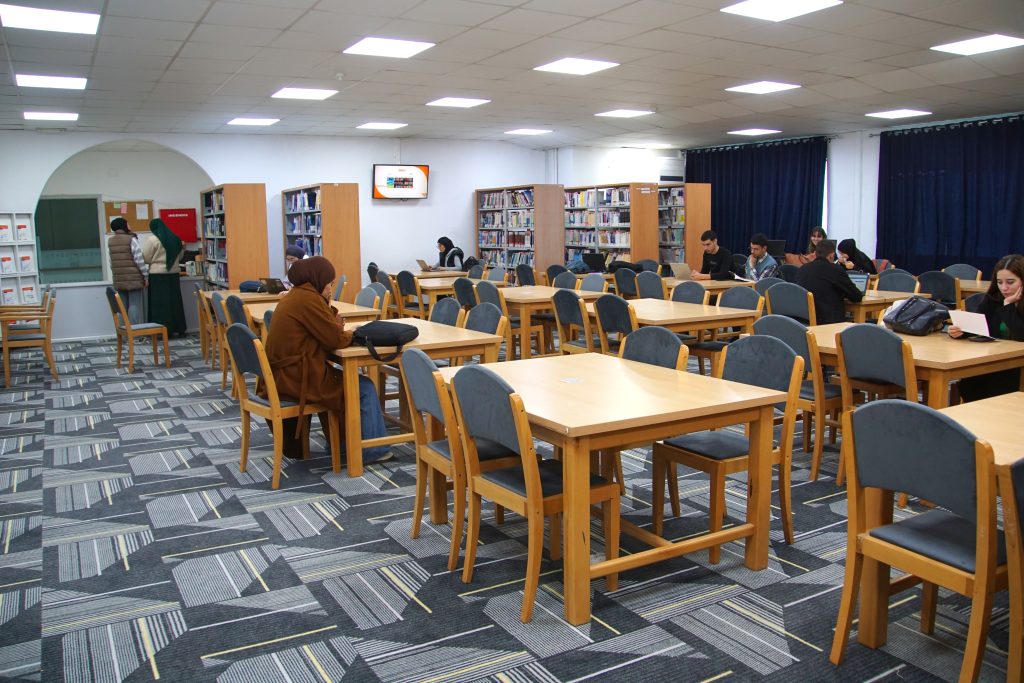
The library provides its users with over 15,000 volumes across 8,000 titles in three languages. Open six days a week, it offers a modern workspace equipped with internet access and leading digital documentary resources, notably the Al Manhal and Europresse databases.
Elle dispose également d’une salle de lecture pouvant accueillir près de 100 étudiants, ainsi que d’un parc informatique comprenant des postes de travail spécialement aménagés pour les étudiants en situation de handicap.
Connected to national and international news agencies, it allows students to benefit from a rich and immersive editorial experience.
The first auditorium, located on the ground floor, has a seating capacity of 252, while the second, located on the first floor, can accommodate 180 seats.
The School also features four classrooms on the second floor, specially designed to foster interactive teaching.
The School publishes a biannual academic journal dedicated to research in the fields of journalism, communication, science communication, media law, and information and communication technologies.
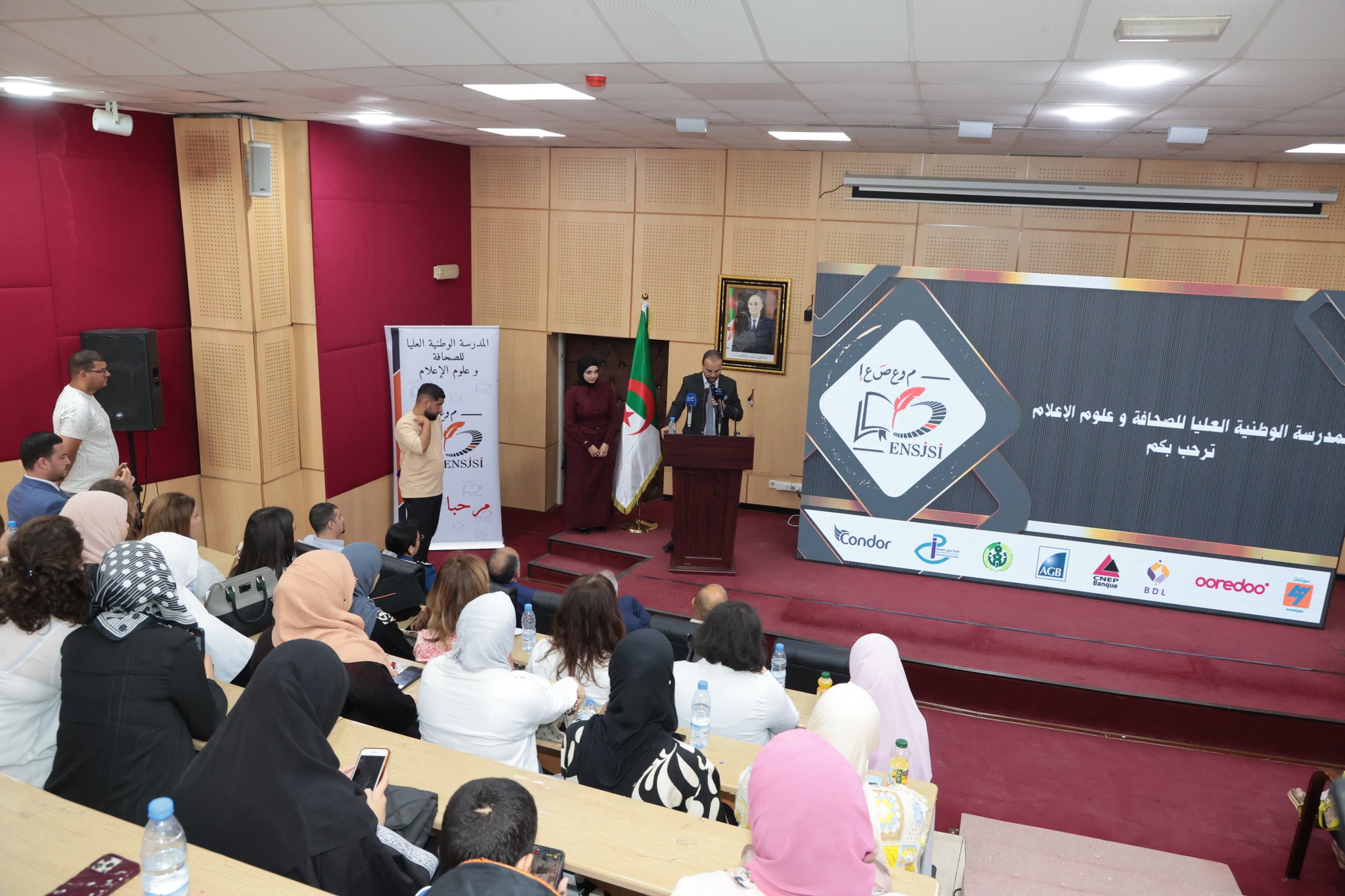
It also organizes symposiums, forums, and scientific conferences, fostering academic exchange, research, and dialogue among academics, researchers, and industry professionals.
The School has undertaken a modernization of its training programs to meet the demands of the digital transformation of media, notably integrating digital journalism and interactive media into the Master’s and Doctorate curricula.
According to the UniRank 2024 ranking, the National Higher School of Journalism and Information Sciences is the only national institution specialized in journalism and information sciences to be featured in the Times Higher Education Ranking 2024. This distinction highlights its leading position at the national level in higher education.
This recognition highlights the balance the school has achieved between academic excellence, quality scientific research, and its commitment to innovation and technological transformation.
The teaching staff is composed of highly qualified faculty-researchers as well as recognized professionals from the media and communication sectors. They ensure the quality of training programs, promote pedagogical innovation, and guarantee their alignment with the requirements and evolving practices of journalism, media, and communication professions.