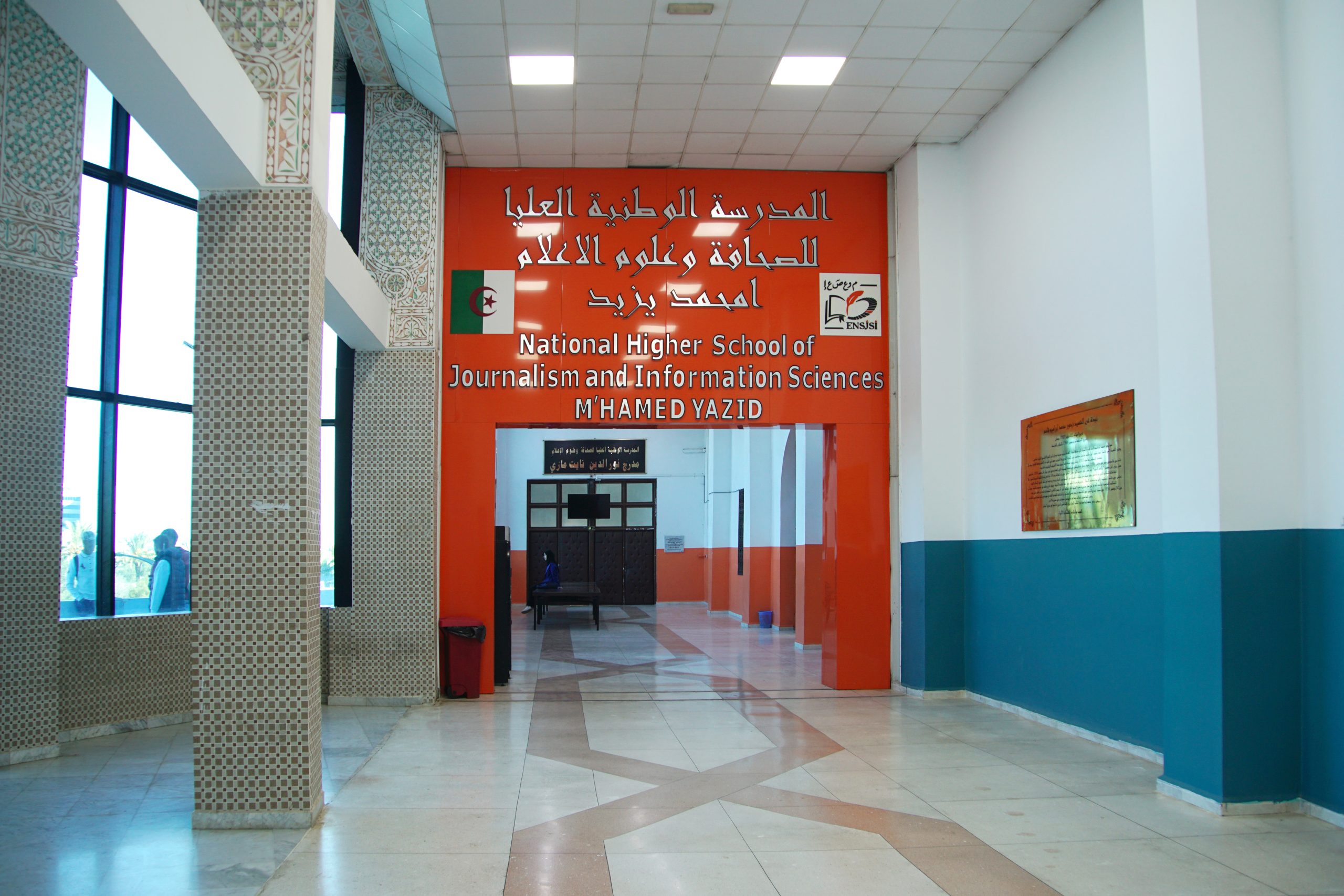
L’École Nationale Supérieure de Journalisme et des Sciences de l’Information...
Read More

List of Candidates Admitted to the Written Examination – Master’s Admission Competition, October 2026 Session
The National Higher School of Journalism and Information Sciences “M’hamed...
Read More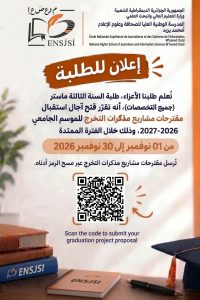
Announcement for Third-Year Master’s Students – Graduation Thesis Project Proposals for the 2026–2027 Academic Year
The National Higher School of Journalism and Information Sciences “M’hamed...
Read More
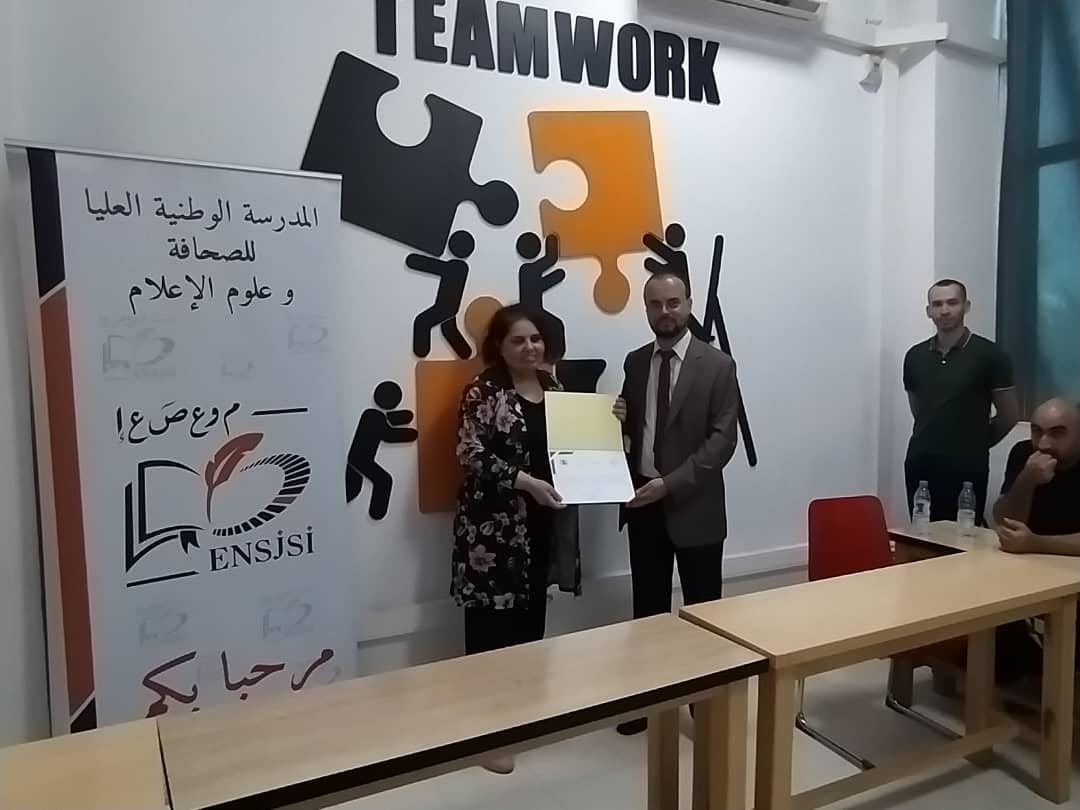
ENSJSI Honors Student Nour El Yaqine Larachi for Her Outstanding Presentation at the “Rising Star” Competition
In recognition of her outstanding performance and remarkable presentation of...
Read More





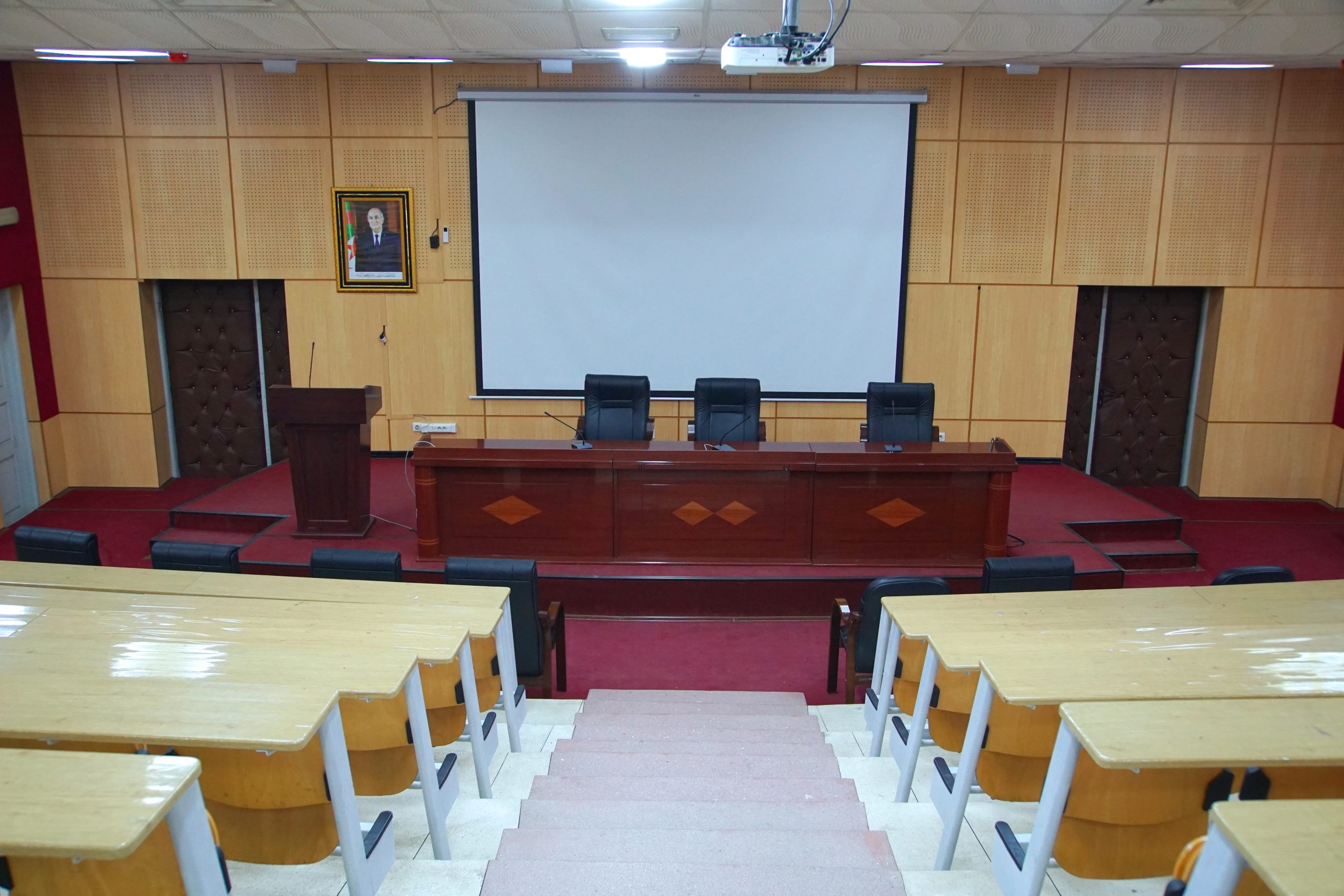
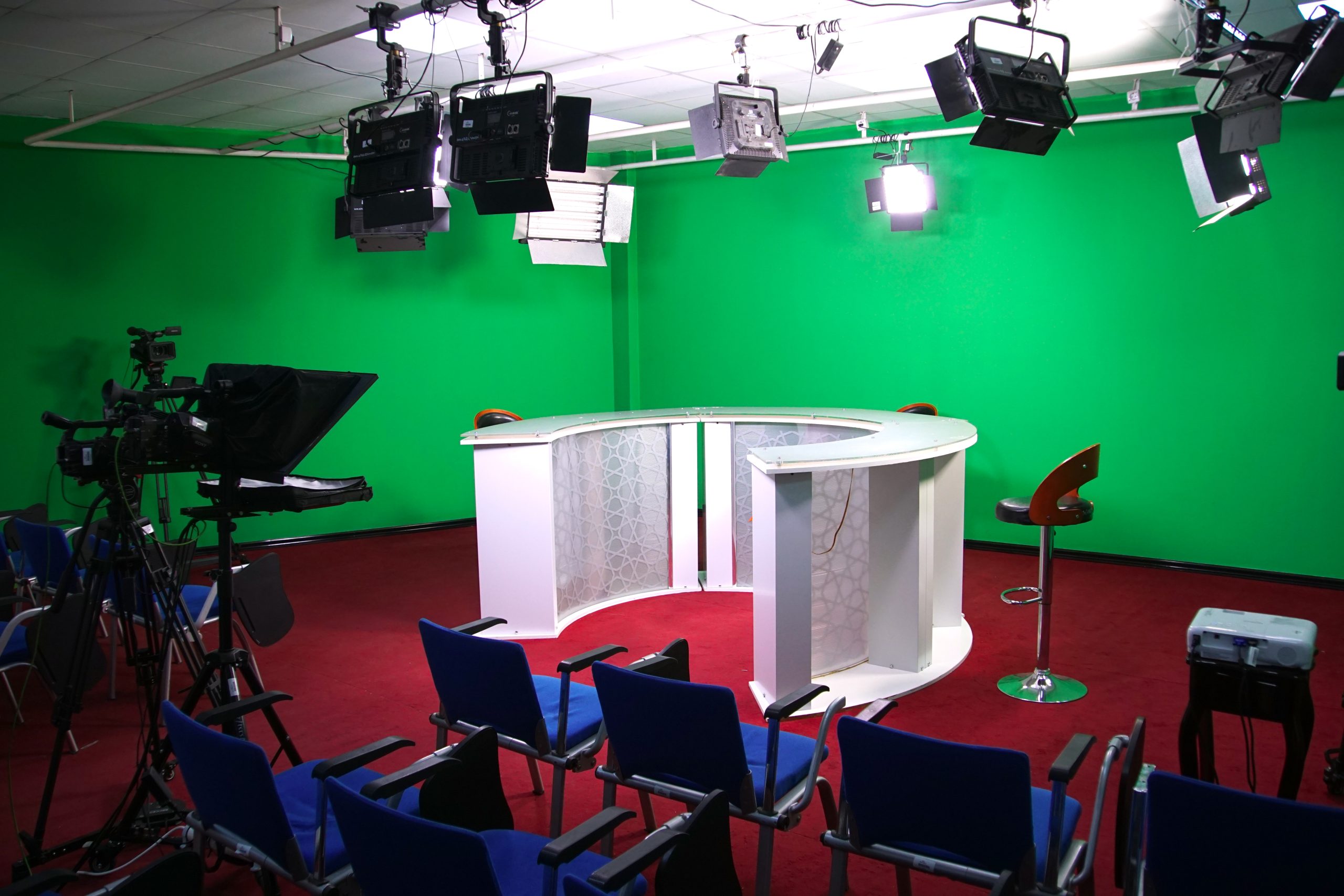
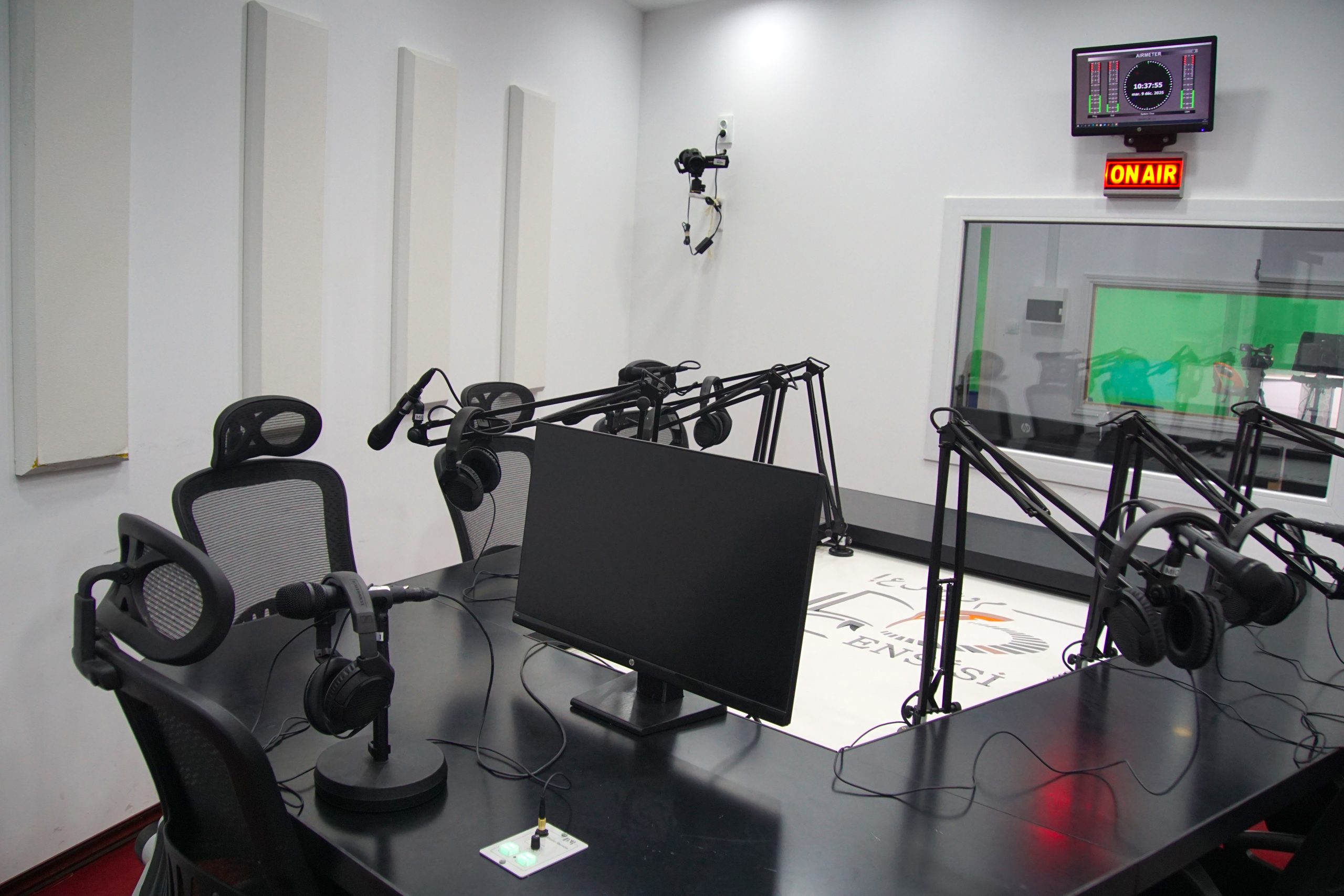
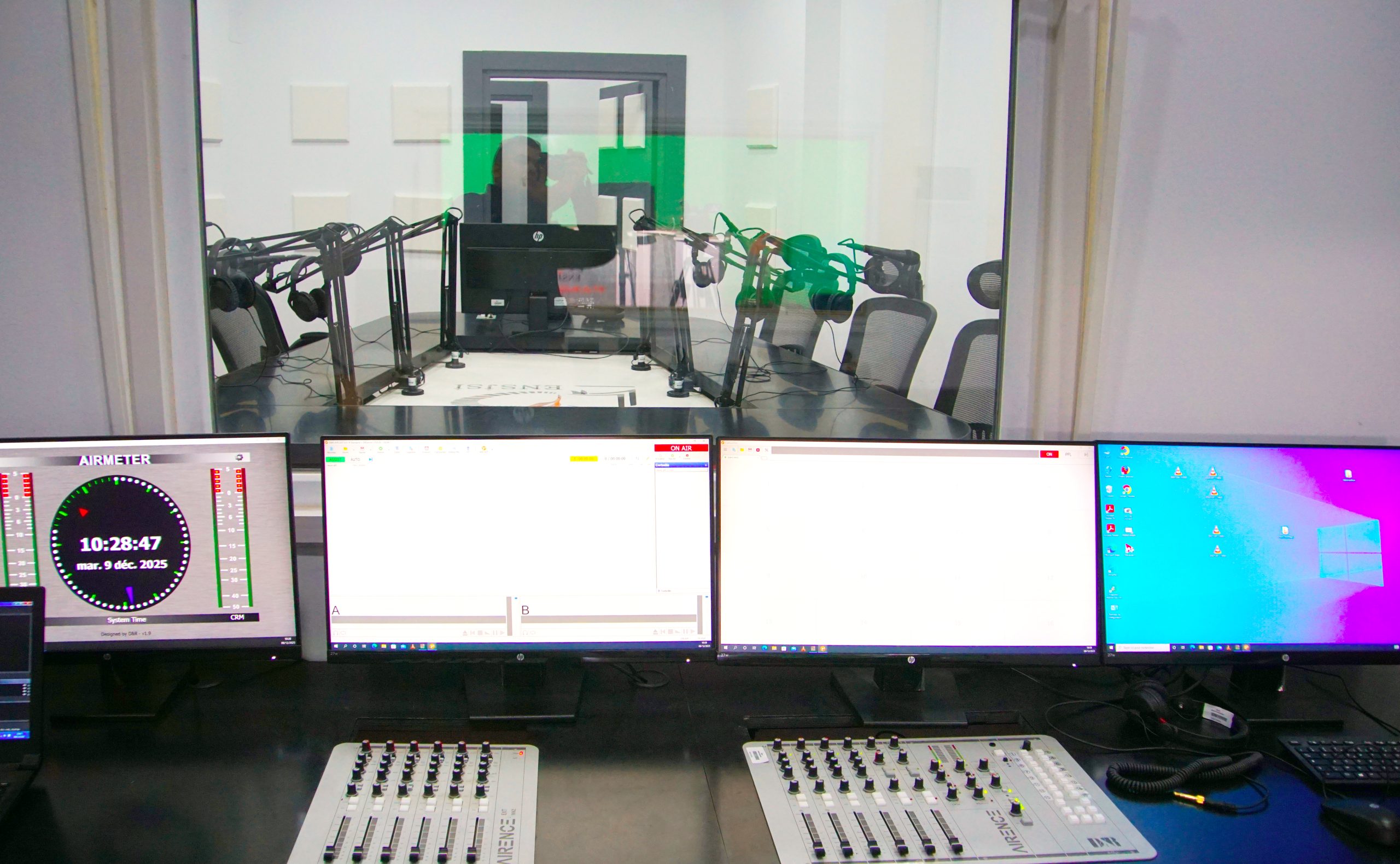
Professional Equipment

Professional Training

Expert Supervision


Staff

Timadjer Narimen
Head of the Department of Journalism
Kharfia Djoudi
Head of the Department of Information Sciences

Chouarfia WASSILA
Director of the Library

ABDELDJALIL ROUANE
Secretary-General

Mohamed Bouhouali
Assistant Director for Information Systems, Communication, and External Relations

Djamel Bouchakour
Assistant Director for Doctoral Training, Scientific Research, Technological Development, Innovation, and the Promotion of Entrepreneurship

Fendouchi Hamza
Assistant Director for Academic Affairs, Degrees, and Continuing Education

Khaled Lalaoui
Director of the National Higher School of Journalism and Information Sciences

Office des publications universitaires

Islington Centre for English London

Bayburt University

جامعة قاصدي مرباح ورقلة

Journal Elmassa

Horizons Quotidien National

MediaMarketing

الجزائر اليوم

Ecole Supérieure de Commerce

Banque de Développement Local – BDL

El Moudjahid

INAPI

الديوان الوطني لحقوق المؤلف و الحقوق المجاورة
مركز البحث في اللغة والثقافة الأمازيغية CRLCA

جامعة عبد الرحمان ميرة – بجاية
المدرسة العليا للدراسات التجارية EHEC
المعهد الدولي للصحافة CIP

المتحف الوطني باردو (Musée National du Bardo)
الوكالة الوطنية للنفايات

جامعة ابن خلدون تيارت

الوكالة الوطنية لدعم التنمية المقاولاتية

Ministry of Knowledge Economy and Startups

مؤسسة الشعب الإعلامية

Banque de l’Agriculture et du Développement Rural (BADR)

iqraa

École nationale supérieure de management (ENSM)

Radio Algeria

Université de bordeaux

AL24 News

Cnep banque

Université cote d’azure
Centre Algérien de la Cinématographie (CAC)

TV algerie

université abdelhamid ben badis
Entreprise d’Appui au Développement du Numerique

المعهد العالي العربي للترجمة Isat

ooredoo

Sonelgaz

El khabar

Condor

Anvredet

Mohamed Boudiaf University of M’sila

Mouloud Mammeri University of Tizi Ouzou
National Higher Institute of Cinema – Mohamed Lakhdar Hamina (INSC)

جامعة باتنة 1 الحاج لخضر
Universite Alger 2