Specialization overview
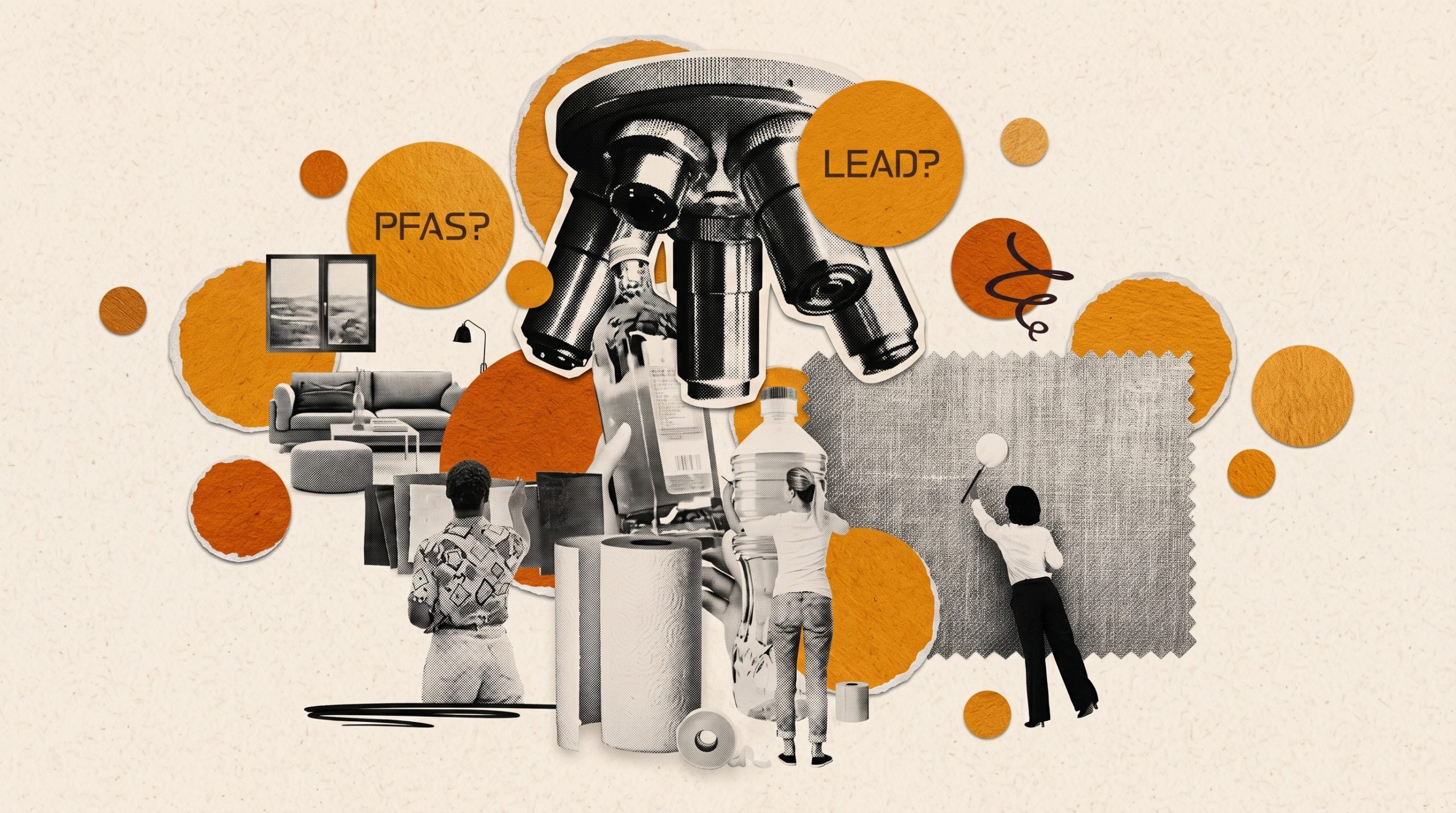
The specialization of science and environmental journalism is part of preparing specialized journalists who are capable of conveying scientific and environmental information to the public in a clear, accurate, and reliable manner, while maintaining journalistic rigor and high-quality critical analysis. These journalists work on collecting scientific information, verifying it, and processing it objectively, while interpreting developments and issues across various scientific fields, particularly urgent environmental issues such as climate change, natural resource management, and biodiversity. This specialization also focuses on the educational and awareness-raising dimension, as the specialized journalist seeks to enable the public to understand complex topics, raise awareness about the importance of environmental protection and the sustainability of resources, and highlight the role of science in supporting environmental policies. Thus, this field combines precise scientific knowledge, professional journalistic skills, and environmental awareness to develop journalists capable of supporting scientific and environmental dialogue between experts, scientists, and policymakers.